

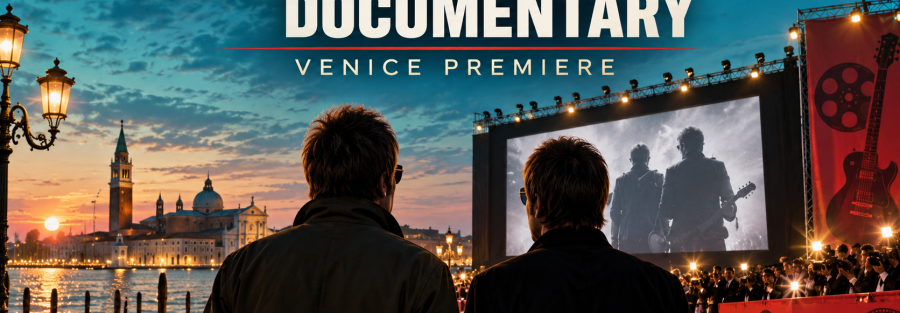
VENICE, 7 September 2026 — “Oasis: Don’t Look Back in Anger,” a documentary built around the British band’s reunion, premiered at the Venice International Film Festival on Sunday, 6 September.
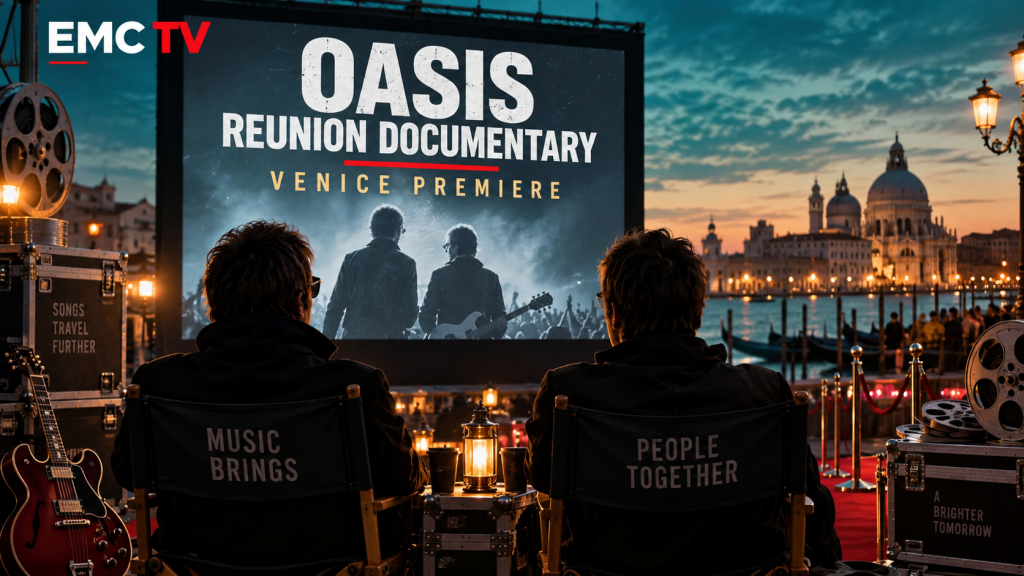
An Associated Press report from Venice said the film includes the first joint interview with Liam and Noel Gallagher in approximately 25 years and follows the group’s 2025 reunion tour. The film is scheduled for a limited IMAX release beginning 11 September before arriving on Disney+.
The project is more than a nostalgia play. It demonstrates how a major musical reunion can be expanded into several connected products: live tickets, filmed performances, documentary storytelling, premium cinema and streaming. Each window reaches a different audience and extends the commercial life of the same cultural moment.
For African artists and entertainment companies, the useful takeaway is the value of owning and organising their archives. Tour footage, rehearsal material, interviews, rights clearances and accurate credits can become future assets rather than disposable publicity.
Nigerian performers with long careers frequently possess powerful stories but lack organised audiovisual archives or documented music rights. Without those foundations, a documentary can become difficult to finance, license or distribute internationally.
The Oasis story also shows that conflict and reconciliation may attract attention, but a responsible documentary needs more than personal drama. It requires a clear point of view, meaningful access and material audiences cannot obtain from ordinary interviews. Producers must also separate verified history from fan mythology, especially when decades of tabloid coverage surround their subjects.
A short premium-cinema window can make a documentary feel like a concert event before streaming supplies scale. African distributors could adapt that sequence through limited theatrical premieres, community screenings and later digital licensing, provided contracts clearly allocate revenue and territorial rights.
For EMC TV, the strongest angle is: “From reunion tour to global screen franchise.” An entertainment lawyer, documentary producer and music archivist could explain how rights, footage and distribution agreements turn cultural memory into durable intellectual property.